
"coffee growing regions Africa"
1000 article(s) found

Rwanda and Central Africa: sweet and delicious coffee
Perhaps a more accurate geographical description of the origin of coffee we focus on this month may be coffee from the Great Lakes of Africa rather than coffee from Central Africa. In the growing region, almost all 30 cups of coffee we hold this month around or near the geographically huge lakes that dominate the eastern mountains of central Africa, near the equator and east of the geographical center of the continent. The geography of coffee is especially important in this.

Uganda Bukisu Coffee Bean Flavor Taste Description Variety Regional Characteristics Introduction
Uganda is a landlocked country in eastern Africa, straddling the equator, bordering Kenya in the east, Tanzania and Rwanda in the south, Congo (DRC) in the west and Sudan in the north. Most of the territory is located in the Central African Plateau, with many lakes, with an average altitude of 1000-1200 meters. There are many intermountain lakes and plateaus, which are known as plateau water towns. the Great Rift Valley

The current situation of coffee beans growing in Kenya is a famous boutique coffee bean region in Africa.
The Kenyan government takes the coffee industry very seriously, where it is illegal to cut down or destroy coffee trees. Kenyan coffee buyers are world-class high-quality coffee buyers, and no other country can grow, produce and sell coffee on a continuous basis like Kenya. All the coffee beans were first acquired by the Kenya Coffee Commission (CoffeeBoardofKenya, CBK).

Uganda Coffee Grind Processing Flavor Description Region Features Taste Manor Introduction
Ugandan coffee beans have a unique flavor and fragrance, which is very suitable for making Italian and other flavors of coffee. More importantly, Ugandan coffee beans are strictly screened according to international market standards to ensure their high quality and pollution-free characteristics. Africa is home to Arabica and Robusta, two major coffee varieties, while East Africa enjoys a plateau of water and the pearl of East Africa.

What is washing treatment? PB raw pearl beans from the Kilimanjaro alpine region of Tanzania, Africa
Mount MtKilimanjaro, the highest peak in Africa, stands in the northeast of Tanzania, known as Trusteeship after World War I. it was once under British colonial rule and became independent in 1964. Bourbon strain coffee was first introduced and planted in 1893, raw beans were mainly treated with water washing, and high-quality high-altitude Tanzanian coffee was of good quality, just like Kenya has active and bright acid performance. Tanzania
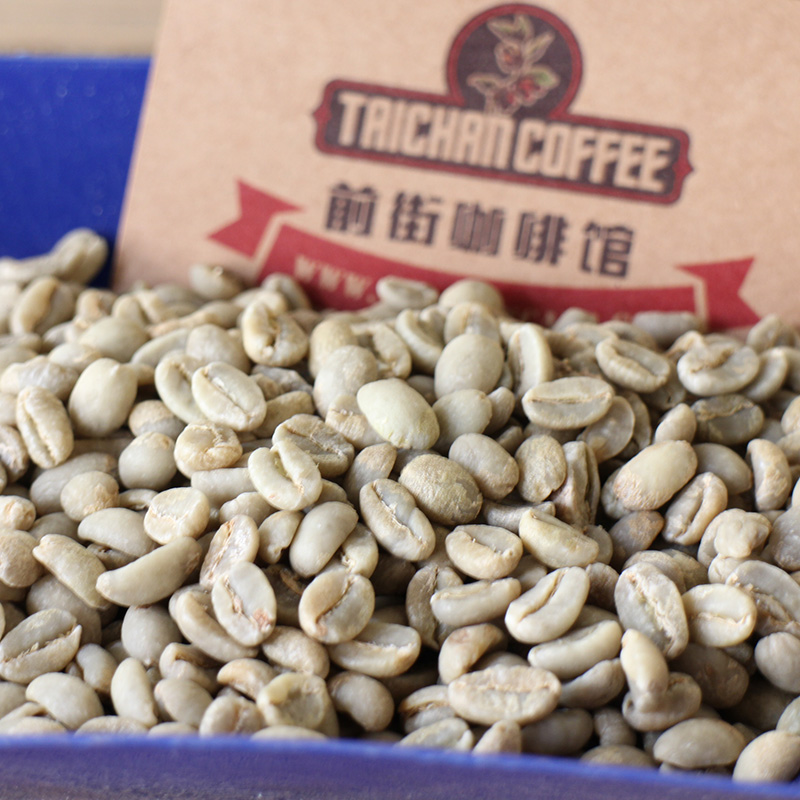
Pearl beans in the alpine region of Kilimanjaro, Tanzania, Africa. PB washing treatment of fine coffee raw beans
Mount MtKilimanjaro, the highest peak in Africa, stands in the northeast of Tanzania, known as Trusteeship after World War I. it was once under British colonial rule and became independent in 1964. Bourbon strain coffee was first introduced and planted in 1893, raw beans were mainly treated with water washing, and high-quality high-altitude Tanzanian coffee was of good quality, just like Kenya has active and bright acid performance. Tanzania

What are the coffee producing areas of the Great Lakes in Africa? Tradition of coffee in Rwanda, Tanzania
The main growing areas of the coffee-producing areas of Rwanda, Burundi and Uganda, Tanzania and the Democratic Republic of the Congo, which are located around the Great Lakes of Central Africa, appeared more frequently in the news cycle because of conflicts than coffee. But these countries are also long-term coffee producers, and in the past decade or so, these countries have become important for unique high-end boutique coffee.

What growth conditions are needed to grow coffee beans?
The latitude is between the north and south latitudes, that is, the temperature in the tropical and tropical areas is about 21 degrees Celsius, and the sunshine is only a few hours a day. The terrain is mainly located in the mid-levels of 300 to 400 meters, or on slopes of 1500 to 2500 meters. The higher the altitude, the higher the quality. Because the sunshine time is short and the drainage is good. Under the coffee bar like the root tide, high in the middle of the coffee bar, placed in the coffee bar.

Uganda Coffee Bean Flavor Flavor Description Taste Treatment Grind Scale Producing Region
Uganda coffee beans have a unique flavor and fragrance, which is very suitable for making Italian and other flavors of coffee. More importantly, Uganda coffee beans are strictly screened according to international market standards to ensure their high quality and pollution-free characteristics. Africa is the two major varieties of coffee Arabica and Robu

Description of characteristics and Flavor of Ugandan aa Coffee Bean introduction to Regional treatment of Taste production
Uganda aa coffee bean characteristics flavor description regional treatment method Uganda coffee growing industry is one of its export pillar industries, Uganda is the birthplace of Robsta in Africa, just as Ethiopia is the origin of Arabica coffee, Robster coffee was first found in Uganda. So far, Uganda has a history of growing coffee for more than 100 years. The output is in Africa.

Coffee growing history of Lake Kivu, Congo, an African coffee growing region? Raw bean treatment of Congolese coffee
Professional coffee knowledge exchange more coffee bean information please follow the coffee workshop (Wechat official account cafe_style) African coffee growing history of Lake Kivu in Congo? How to handle raw beans of Congolese coffee? The Democratic Republic of the Congo, known as the Democratic Republic of the Congo (DRC), runs through the north of the equator and is mainly located in central Africa across the Congo River from another Congo.

Introduction to the characteristics of African beans in coffee bean producing areas
The most sensible and practical way to understand coffee-producing countries is to classify them into the world's three major coffee growing regions: Africa, Indonesia and Central and South America. Generally speaking, coffee grown in the vicinity has similar characteristics. If a particular bean is out of stock, the manufacturer and buyer of the comprehensive product will usually look for a nearby country. People who make comprehensive products will say: I think

Colombia Matambo Forest Coffee Bean three Coffee growing areas characteristic four Coffee Bean producing areas
Professional coffee knowledge exchange more coffee bean information Please pay attention to the coffee workshop (Wechat official account cafe_style) with the equator as the center, in the tropics and subtropics between latitudes of about 25 degrees north and south, it is the most suitable area for growing coffee. However, good forests can not be cultivated anywhere in the region. The three major coffee growing areas in this section are as follows:

Ethiopian Kocher Coffee Bean Taste Treatment Flavor Description Region of Origin
Ethiopian Kocher Coffee Bean Taste Treatment Flavor Description Growing Region Africa is the home of coffee. Coffee trees were most likely discovered in Ethiopia's KAFFA province. Later, groups of slaves were sold from Africa to Yemen and Arabia, and coffee was taken to various places along the way. Yemen certainly began in the 15th century or earlier.

Burundian boutique coffee Heart of Africa Burundian Heart of Africa Coffee introduction
Professional Coffee knowledge Exchange more information about coffee beans Please note the coffee workshop (Wechat account cafe_style) Front Street-Burundi Heart of Africa Burundi, the heart of Africa. According to the statistics of the World Bank in 2011, there are about 600000-800000 families living on coffee in Burundi, and coffee is the core of Burundi. Burundi is a

Coffee bean production methods Coffee producing areas
The most sensible and practical way to understand coffee-producing countries is to classify them into the world's three major coffee growing regions: Africa, Indonesia and Central and South America. Generally speaking, coffee grown in the vicinity has similar characteristics. If a particular bean is out of stock, the manufacturer and buyer of the comprehensive product will usually look for a nearby country. People who make comprehensive products will say: I think

How to correctly choose the benefits and functions of coffee beans
The most sensible and practical way to understand coffee-producing countries is to classify them into the world's three major coffee growing regions: Africa, Indonesia and Central and South America. Generally speaking, coffee grown in the vicinity has similar characteristics. If a particular bean is out of stock, the manufacturer and buyer of the comprehensive product will usually look for a nearby country. People who make comprehensive products will say: I think

What are the similar characteristics of coffee produced in different countries?
The most sensible and practical way to understand coffee-producing countries is to classify them into the world's three major coffee growing regions: Africa, Indonesia and Central and South America. Generally speaking, coffee grown in the vicinity has similar characteristics. If a particular bean is out of stock, the manufacturer and buyer of the comprehensive product will usually look for a nearby country. People who make comprehensive products will say: I think

Description of taste and flavor of Ugandan coffee beans introduction to regional treatment of varieties produced by grinding scale
Introduction to the regional treatment method of Uganda coffee bean taste description, grinding scale variety: a unique African coffee, which is very similar to Indonesian coffee, Uganda coffee bean has a unique flavor and is very suitable for making Italian and other flavors. more importantly, Ugandan coffee beans are strictly screened in accordance with the standards of the international market to ensure their high quality.

A detailed introduction of coffee beans from the three largest producing areas in the world: Africa, America and Asia
The most sensible and practical way to understand coffee-producing countries is to classify them into the world's three major coffee growing regions: Africa, Indonesia and Central and South America. Generally speaking, coffee grown in the vicinity has similar characteristics. If a particular bean is out of stock, the manufacturer and buyer of the comprehensive product will usually look for a nearby country. People who make comprehensive products will say: I think